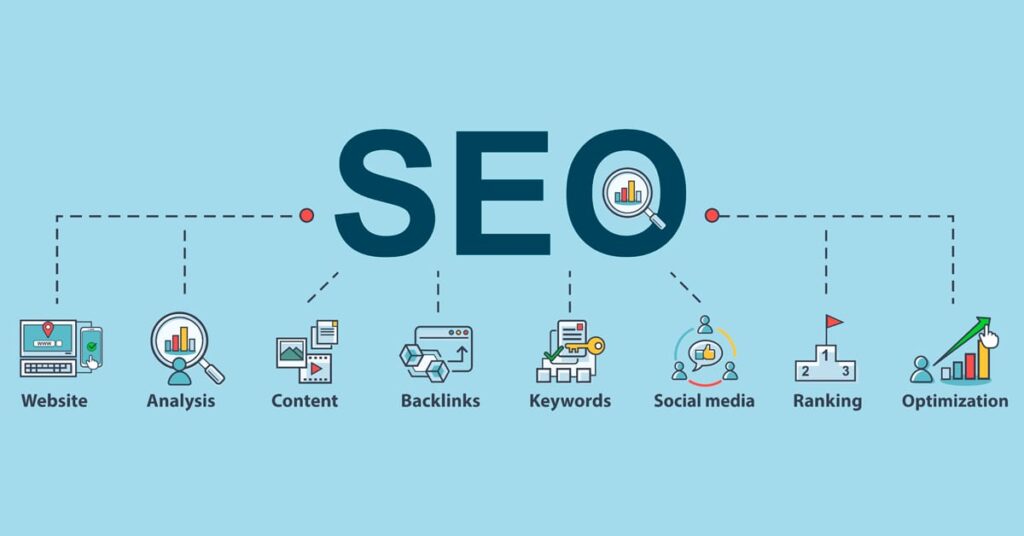
If you’re running any kind of business online — whether it’s a small Instagram store or a full-fledged company website — you’ve probably heard the word “SEO” thrown around a lot. Many people treat it like a magic trick that brings overnight traffic. The truth is, SEO is a slow but steady process that works best when consistency meets the right strategy.
In this blog, we’ll break down SEO in simple, everyday language — no confusing jargon — and look at how the rules have changed heading into 2026.
What Does SEO Actually Mean?
SEO, or Search Engine Optimization, is the process of making your website worthy of being shown by search engines like Google for relevant queries. In simple terms, when someone searches for something on Google and your website shows up on the first page — that’s SEO doing its job
But it’s not just about stuffing in a bunch of keywords. Google’s algorithms have gotten smart enough to tell whether content is genuinely useful or just written to chase rankings
On-Page SEO
These are the elements you control directly on your website — things like title tags, headings, image alt text, internal linking, and overall content quality. On-page SEO is about optimizing your page for two audiences at once: search engines and real human readers.
Off-Page SEO
This covers everything that happens outside your website — backlinks, social signals, and brand mentions. The more trusted websites that link back to you, the more credible your site appears to Google.
How Google Judges Content in 2026
Over the past few years, Google has shifted its focus from content quantity to content quality and user experience. Simply filling a page with keywords isn’t enough anymore — the content needs to be genuinely helpful, original, and trustworthy.
The Role of E-E-A-T
E-E-A-T stands for Experience, Expertise, Authoritativeness, and Trustworthiness. Google looks at whether the person writing the content actually understands the topic, and whether the website feels like a credible source. This is why author bios, real-world examples, and accurate information have become so important.
The Truth About AI-Generated Content
Many people assume that generating content with AI tools and hitting publish is enough. But Google has been clear that it doesn’t judge content based on how it was created — it judges it based on quality, originality, and helpfulness. So no matter how the first draft comes together, it still needs a human touch, personal insight, and real value before it goes live.
How to Build a Solid SEO Strategy
Now let’s get into the practical part — how an actual SEO strategy is designed.
Step 1: Do Proper Keyword Research
The first step is understanding what your audience is actually typing into Google. Don’t chase only high-volume keywords — long-tail keywords (more specific, less competitive phrases) often bring in better conversions.
Step 2: Make Content User-First
Before writing anything, ask yourself: “Will this actually help the reader?” If the answer is yes, you’re on the right track. Every paragraph should add value, not just repeat keywords for the sake of it.
Step 3: Don’t Ignore Technical SEO
Your website’s loading speed, mobile-friendliness, and clean URL structure are all ranking factors too. A slow website — no matter how good the content is — will frustrate users and drive up your bounce rate.
Step 4: Build Backlinks Naturally
Guest posting, collaborations, and genuinely shareable content are healthy ways to earn backlinks. Avoid spammy link-building tactics, since Google actively penalizes them.
Common Mistakes Beginners Make
Focusing only on keywords and ignoring content quality — this makes content feel robotic, and readers bounce off the page quickly.
Forgetting meta descriptions and alt text — small details, but they do affect rankings.
Lacking consistency — SEO isn’t a one-time task; it needs regular updates and fresh content.
Overlooking mobile optimization — especially now, when most traffic comes from mobile devices.
Final Thoughts
SEO isn’t a one-day job — it’s an ongoing journey that requires patience and the right strategy. Businesses that genuinely focus on solving their audience’s problems are the ones that move ahead in Google rankings over time. So the next time you’re planning content, think about your reader before you think about the keyword — everything else tends to fall into place.
https://developers.google.com/search/docs/essentials/spam-policies
https://developers.google.com/search/blog/2023/02/google-search-and-ai-content